
-
×
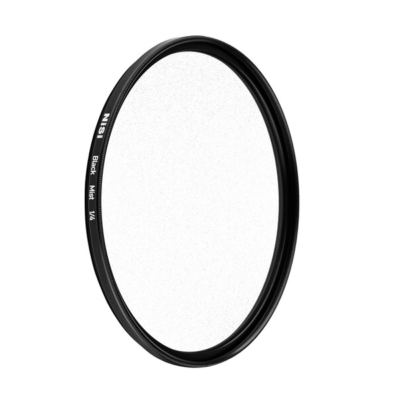 NiSi 77mm Black Mist Filter 1/4
2 × ₹5,999.00
NiSi 77mm Black Mist Filter 1/4
2 × ₹5,999.00 -
×
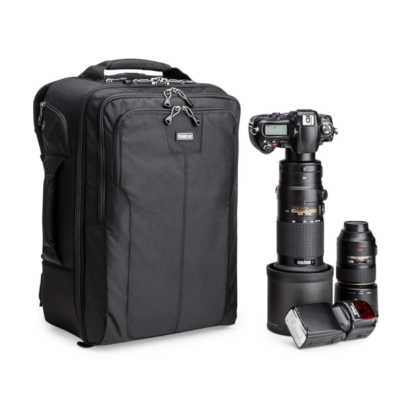 Think Tank Airport Accelerator
1 × ₹19,990.00
Think Tank Airport Accelerator
1 × ₹19,990.00 -
×
 Peak Design Field Pouch v2 (Black)
1 × ₹4,500.00
Peak Design Field Pouch v2 (Black)
1 × ₹4,500.00 -
×
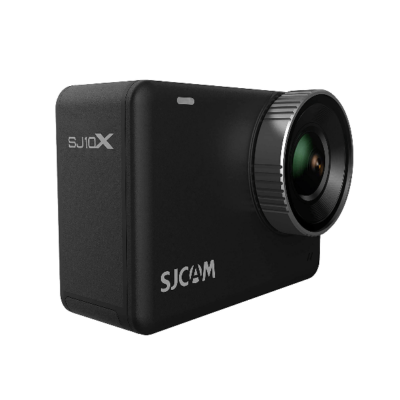 SJCAM SJ10X 12 MP 4K 24fps
1 × ₹11,500.00
SJCAM SJ10X 12 MP 4K 24fps
1 × ₹11,500.00 -
×
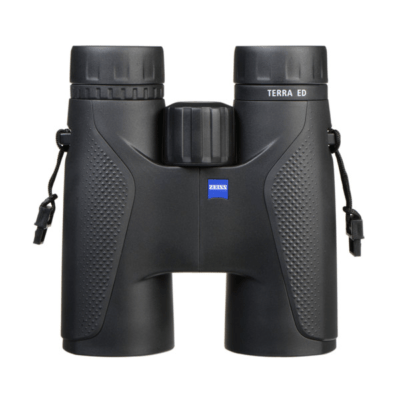 ZEISS 8×42 Terra ED Binoculars (Black)
1 × ₹40,889.00
ZEISS 8×42 Terra ED Binoculars (Black)
1 × ₹40,889.00 -
×
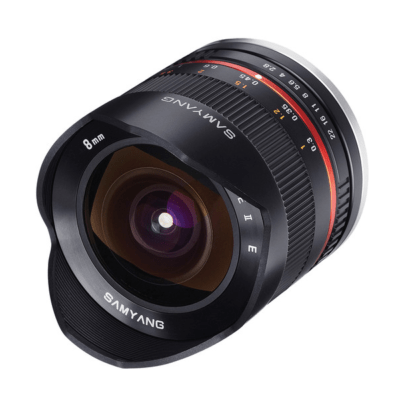 Samyang 8mm f/2.8 Fisheye II Lens for Fujifilm X Mount
1 × ₹28,490.00
Samyang 8mm f/2.8 Fisheye II Lens for Fujifilm X Mount
1 × ₹28,490.00 -
×
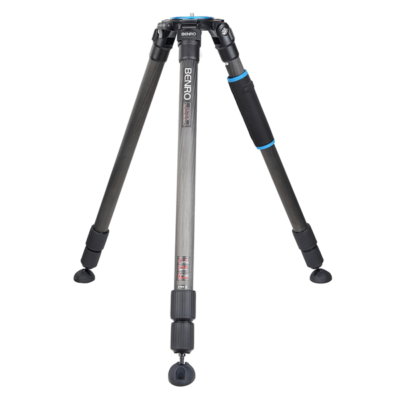 Benro C4770TN Carbon Fibre Tripod
2 × ₹34,990.00
Benro C4770TN Carbon Fibre Tripod
2 × ₹34,990.00 -
×
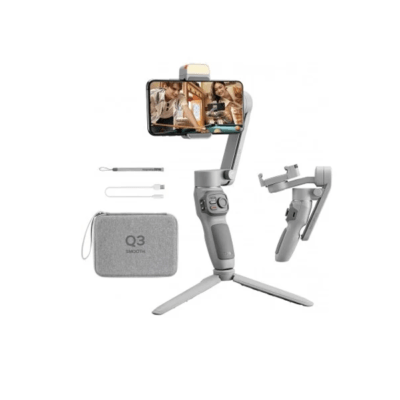 Zhiyun-Tech Smooth-Q3 Smartphone Gimbal Combo
1 × ₹8,999.00
Zhiyun-Tech Smooth-Q3 Smartphone Gimbal Combo
1 × ₹8,999.00 -
×
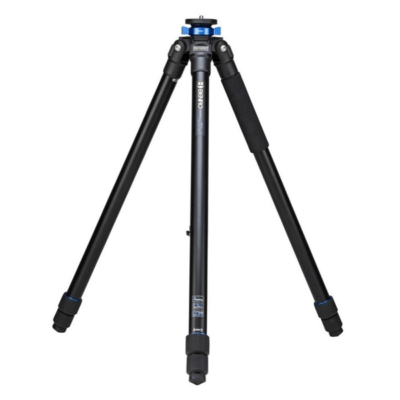 Benro TMA47AXL
1 × ₹15,900.00
Benro TMA47AXL
1 × ₹15,900.00 -
×
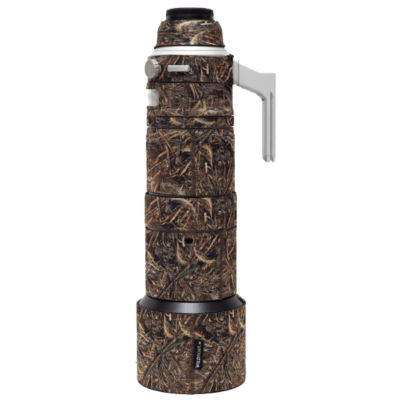 Wild Coat for FUJIFILM XF 150-600mm f/5.6-8 R LM OIS WR Lens Dry Forest
1 × ₹3,450.00
Wild Coat for FUJIFILM XF 150-600mm f/5.6-8 R LM OIS WR Lens Dry Forest
1 × ₹3,450.00 -
×
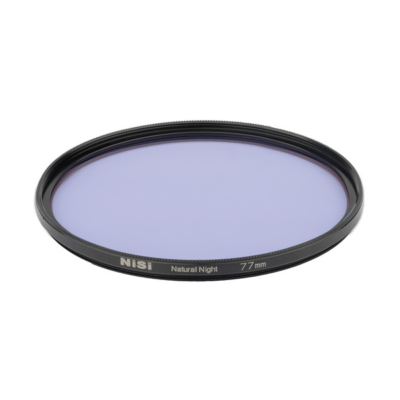 NiSi 77mm Natural Night Filter
2 × ₹9,299.00
NiSi 77mm Natural Night Filter
2 × ₹9,299.00 -
×
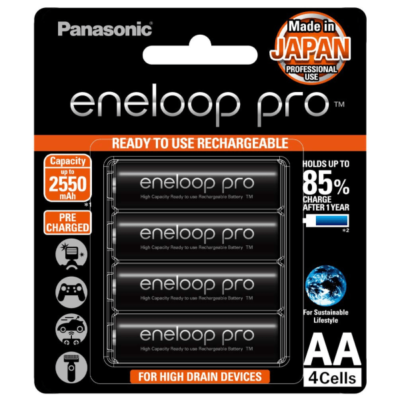 Panasonic eneloop pro AA Rechargeable Battery, Pack of 4
1 × ₹1,150.00
Panasonic eneloop pro AA Rechargeable Battery, Pack of 4
1 × ₹1,150.00 -
×
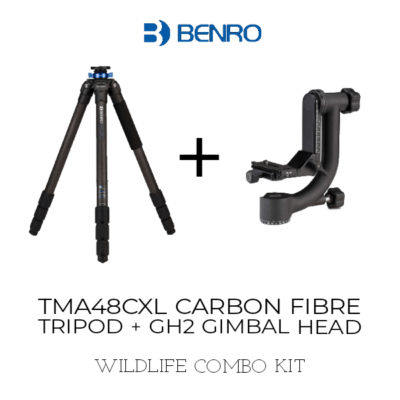 Benro TMA48CXL Extra Long Series 4 Mach3 Carbon Fiber Tripod + Benro GH2 Gimbal Head
1 × ₹54,990.00
Benro TMA48CXL Extra Long Series 4 Mach3 Carbon Fiber Tripod + Benro GH2 Gimbal Head
1 × ₹54,990.00 -
×
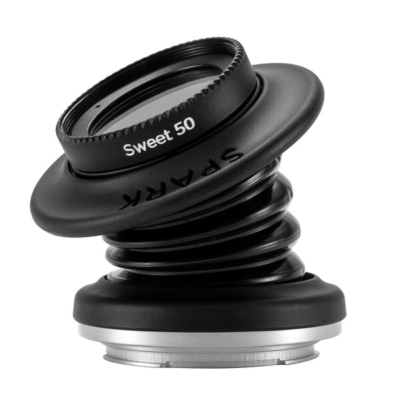 Lensbaby Spark 2.0 with Sweet 50 Optic for FUJIFILM X
1 × ₹22,600.00
Lensbaby Spark 2.0 with Sweet 50 Optic for FUJIFILM X
1 × ₹22,600.00 -
×
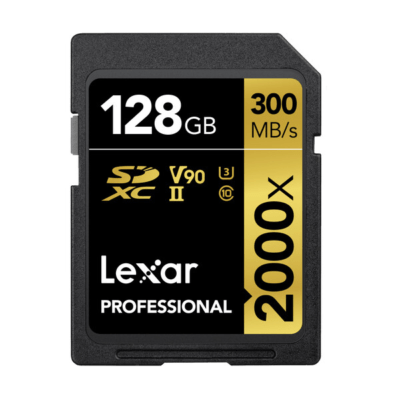 Lexar 128GB Professional 2000x UHS-II SDXC Memory Card
1 × ₹16,290.00
Lexar 128GB Professional 2000x UHS-II SDXC Memory Card
1 × ₹16,290.00 -
×
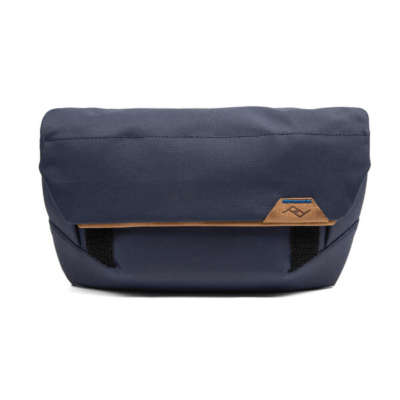 Peak Design Field Pouch v2 (Midnight)
1 × ₹4,500.00
Peak Design Field Pouch v2 (Midnight)
1 × ₹4,500.00 -
×
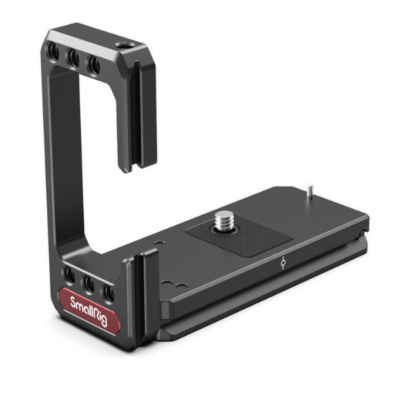 SmallRig L-Bracket for Canon EOS R5, R6, R5C & R6 II 2976B
1 × ₹3,800.00
SmallRig L-Bracket for Canon EOS R5, R6, R5C & R6 II 2976B
1 × ₹3,800.00 -
×
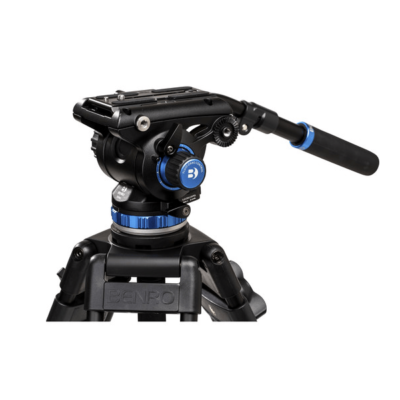 Benro S6PRO Video Head
1 × ₹19,990.00
Benro S6PRO Video Head
1 × ₹19,990.00 -
×
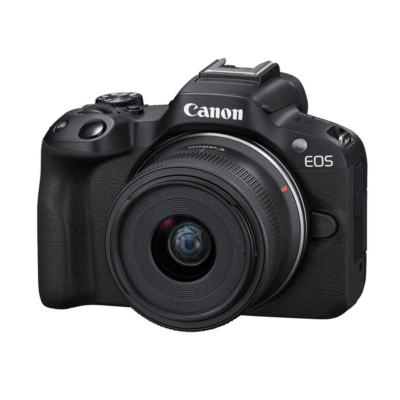 Canon EOS R50 Mirrorless Camera with 18-45mm Lens (Black)
1 × ₹67,990.00
Canon EOS R50 Mirrorless Camera with 18-45mm Lens (Black)
1 × ₹67,990.00 -
×
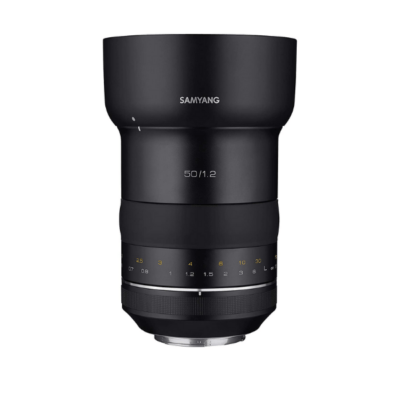 Samyang XP 50mm f/1.2 Lens for Canon EF
1 × ₹79,990.00
Samyang XP 50mm f/1.2 Lens for Canon EF
1 × ₹79,990.00 -
×
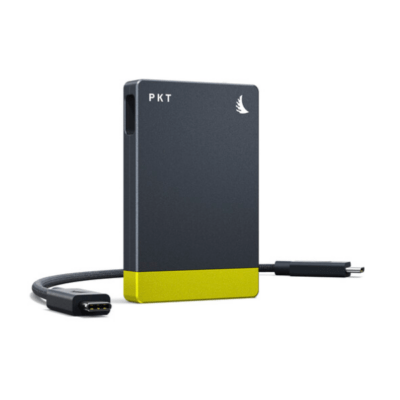 Angelbird PKT CFexpress 2.0 Type B Card Reader
2 × ₹10,990.00
Angelbird PKT CFexpress 2.0 Type B Card Reader
2 × ₹10,990.00 -
×
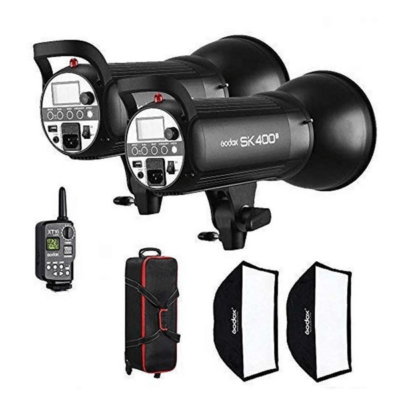 Godox SK 400 II Light Kit [SK400II Kit]
1 × ₹31,990.00
Godox SK 400 II Light Kit [SK400II Kit]
1 × ₹31,990.00 -
×
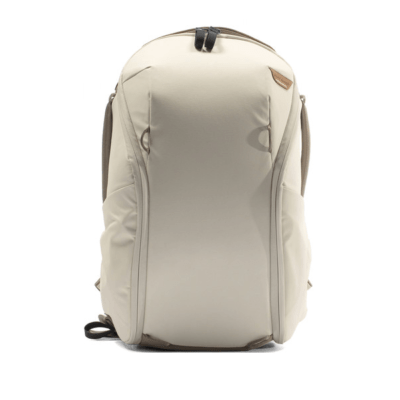 Peak Design Everyday Backpack Zip v2 15L – Bone
1 × ₹16,490.00
Peak Design Everyday Backpack Zip v2 15L – Bone
1 × ₹16,490.00 -
×
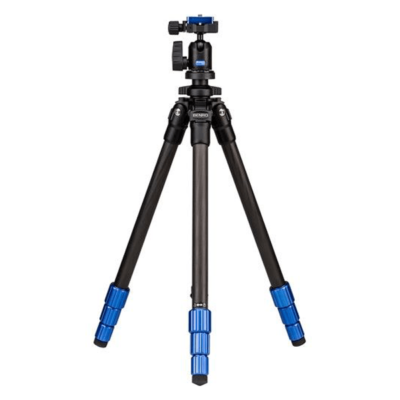 Benro TSL08CN00
1 × ₹6,999.00
Benro TSL08CN00
1 × ₹6,999.00 -
×
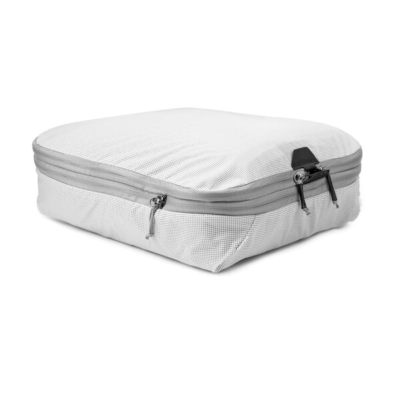 Peak Design Travel Packing Cube (Medium, Raw)
1 × ₹3,960.00
Peak Design Travel Packing Cube (Medium, Raw)
1 × ₹3,960.00 -
×
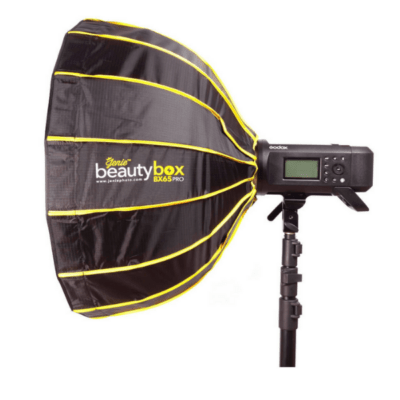 Jenie Beauty Box with Grid BX65 Pro / 65CM / Bowens / White
1 × ₹6,040.00
Jenie Beauty Box with Grid BX65 Pro / 65CM / Bowens / White
1 × ₹6,040.00 -
×
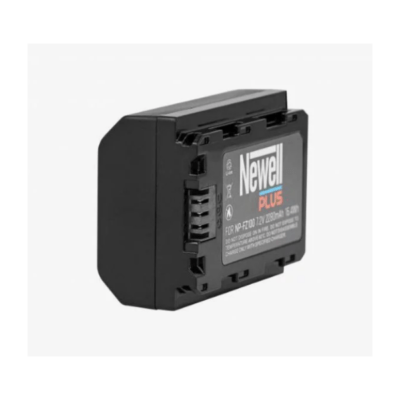 Newell Plus Battery NP-FZ100
1 × ₹2,990.00
Newell Plus Battery NP-FZ100
1 × ₹2,990.00 -
×
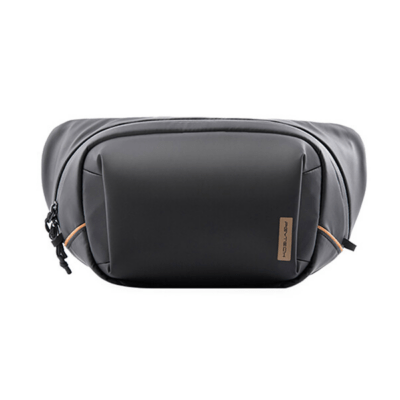 PGYTECH OneGo Solo Sling Bag V2 (Obsidian, 4L)
1 × ₹5,590.00
PGYTECH OneGo Solo Sling Bag V2 (Obsidian, 4L)
1 × ₹5,590.00 -
×
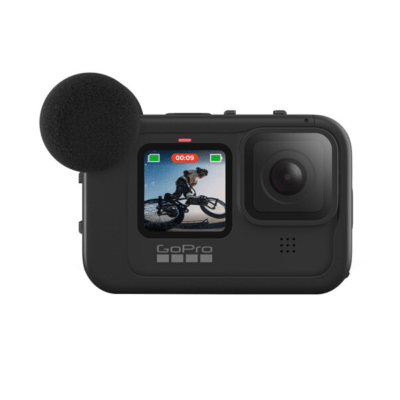 GoPro Media Mod for HERO9 / HERO10 & HERO 11 Black
1 × ₹7,750.00
GoPro Media Mod for HERO9 / HERO10 & HERO 11 Black
1 × ₹7,750.00 -
×
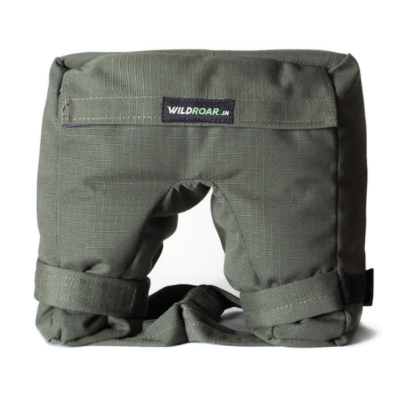 Bean Bag Waterproof Filled with Beans
1 × ₹1,799.00
Bean Bag Waterproof Filled with Beans
1 × ₹1,799.00 -
×
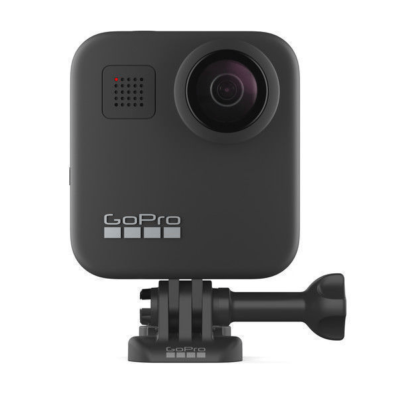 GoPro MAX 360 Action Camera
1 × ₹49,500.00
GoPro MAX 360 Action Camera
1 × ₹49,500.00 -
×
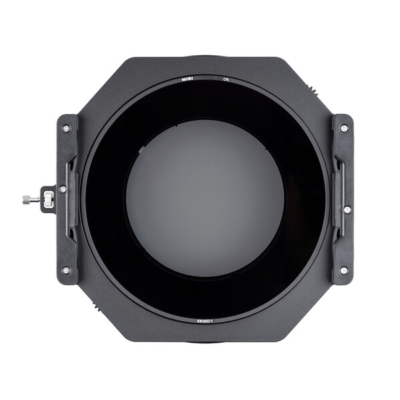 NiSi S6 150mm Filter Holder Kit with Pro CPL for Nikon NIKKOR Z 14-24mm f/2.8 S Lens
1 × ₹36,999.00
NiSi S6 150mm Filter Holder Kit with Pro CPL for Nikon NIKKOR Z 14-24mm f/2.8 S Lens
1 × ₹36,999.00 -
×
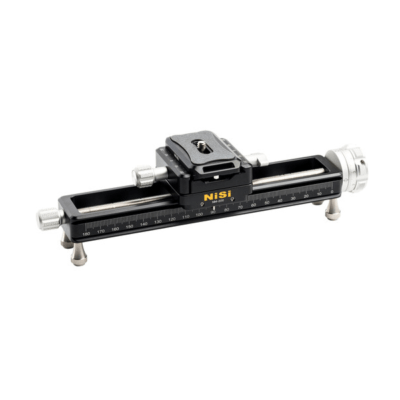 NiSi Macro Focusing Rail NM-200 with 360° Rotating Clamp (7.9″ Length)
1 × ₹11,499.00
NiSi Macro Focusing Rail NM-200 with 360° Rotating Clamp (7.9″ Length)
1 × ₹11,499.00 -
×
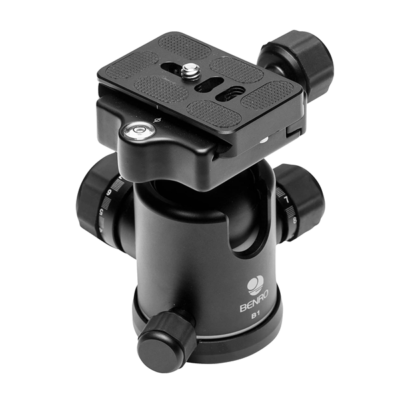 Benro B1 Ball Head
1 × ₹9,490.00
Benro B1 Ball Head
1 × ₹9,490.00 -
×
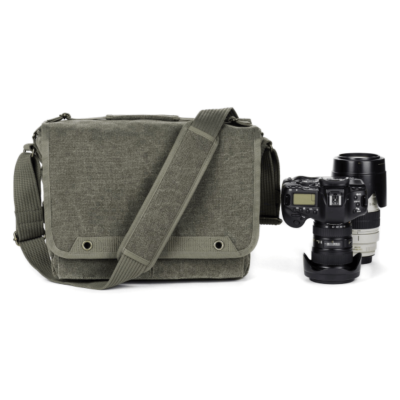 Think Tank Retrospective 30 V2.0 Pinestone
1 × ₹19,490.00
Think Tank Retrospective 30 V2.0 Pinestone
1 × ₹19,490.00 -
×
 Peak Design Replacement Tripod Foot Set
1 × ₹1,020.00
Peak Design Replacement Tripod Foot Set
1 × ₹1,020.00 -
×
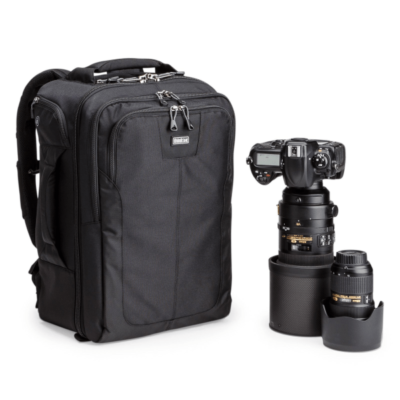 Think Tank Airport Commuter
1 × ₹16,990.00
Think Tank Airport Commuter
1 × ₹16,990.00 -
×
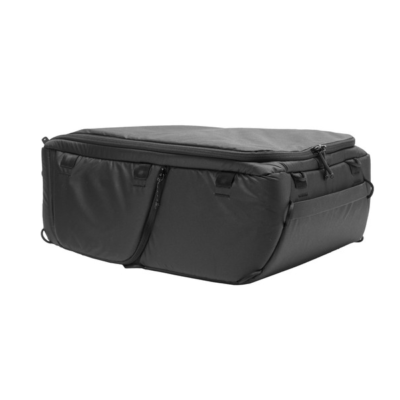 Peak Design Camera Cube Large – Black
1 × ₹8,100.00
Peak Design Camera Cube Large – Black
1 × ₹8,100.00 -
×
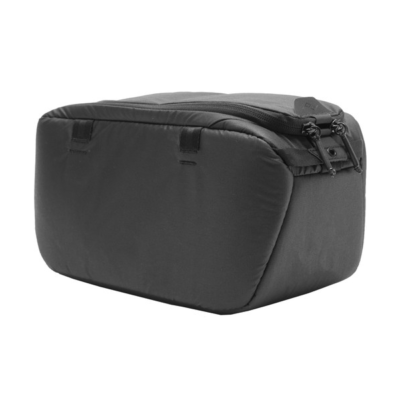 Peak Design Travel Camera Cube (Small)
1 × ₹5,310.00
Peak Design Travel Camera Cube (Small)
1 × ₹5,310.00 -
×
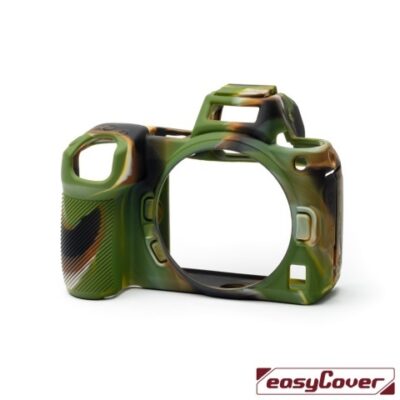 easyCover for Nikon Z5 / Z6 II / Z7 II Camo
2 × ₹1,000.00
easyCover for Nikon Z5 / Z6 II / Z7 II Camo
2 × ₹1,000.00 -
×
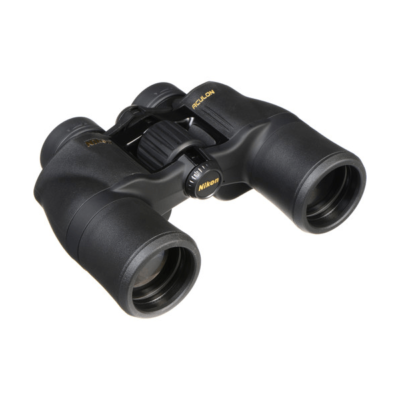 Nikon ACULON A211 8×42 Binoculars
1 × ₹11,690.00
Nikon ACULON A211 8×42 Binoculars
1 × ₹11,690.00 -
×
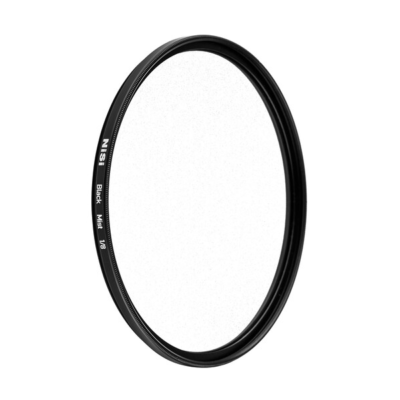 NiSi 67mm Black Mist Filter 1/8
1 × ₹5,250.00
NiSi 67mm Black Mist Filter 1/8
1 × ₹5,250.00 -
×
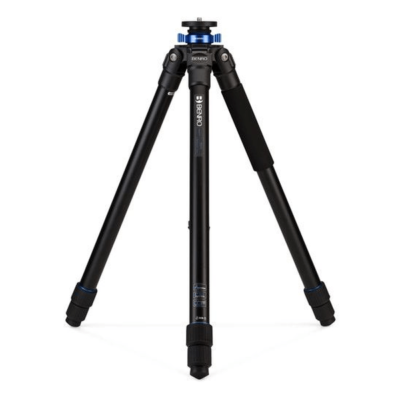 Benro TMA47AL
1 × ₹15,990.00
Benro TMA47AL
1 × ₹15,990.00 -
×
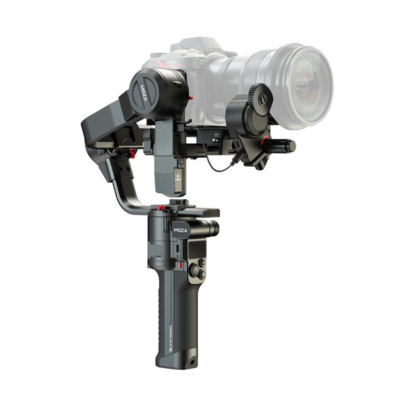 Moza AirCross 3 3-Axis Handheld Gimbal Stabilizer Professional Kit
1 × ₹46,250.00
Moza AirCross 3 3-Axis Handheld Gimbal Stabilizer Professional Kit
1 × ₹46,250.00 -
×
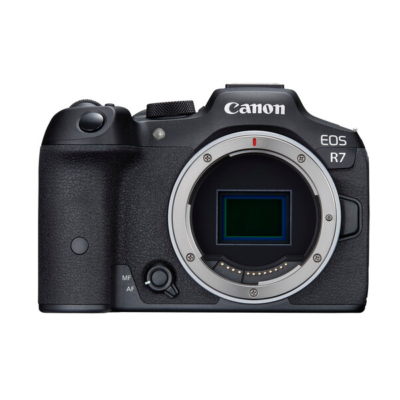 Canon EOS R7 Mirrorless Camera
1 × ₹112,990.00
Canon EOS R7 Mirrorless Camera
1 × ₹112,990.00 -
×
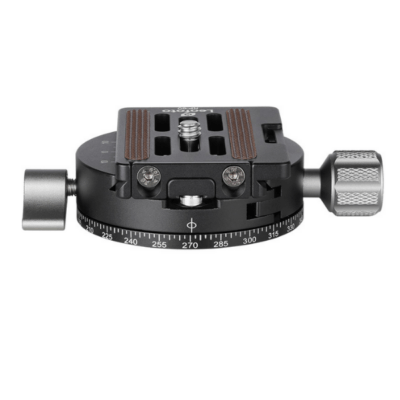 Leofoto RH-2L 60mm Panning Clamp
1 × ₹4,048.00
Leofoto RH-2L 60mm Panning Clamp
1 × ₹4,048.00 -
×
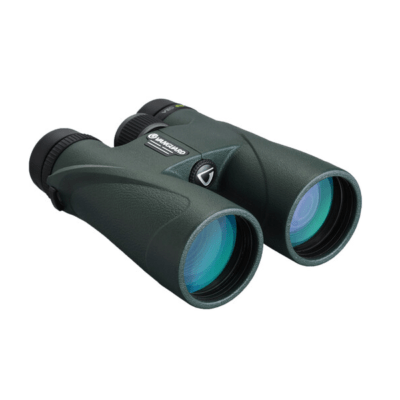 Vanguard 10×50 VEO ED Binoculars
1 × ₹18,250.00
Vanguard 10×50 VEO ED Binoculars
1 × ₹18,250.00 -
×
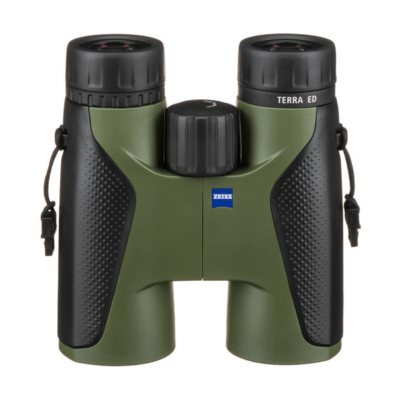 ZEISS 10×42 Terra ED Binoculars (Green)
1 × ₹43,699.00
ZEISS 10×42 Terra ED Binoculars (Green)
1 × ₹43,699.00 -
×
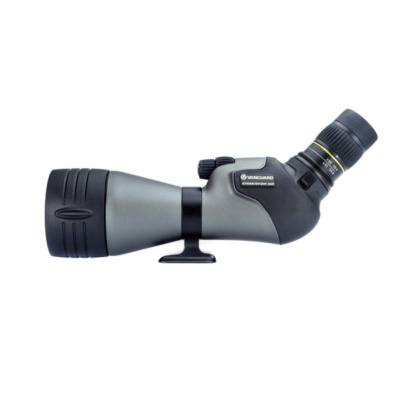 Vanguard Endeavor HD 20-60×82 Spotting Scope (Endeavor HD 82A)
1 × ₹35,990.00
Vanguard Endeavor HD 20-60×82 Spotting Scope (Endeavor HD 82A)
1 × ₹35,990.00 -
×
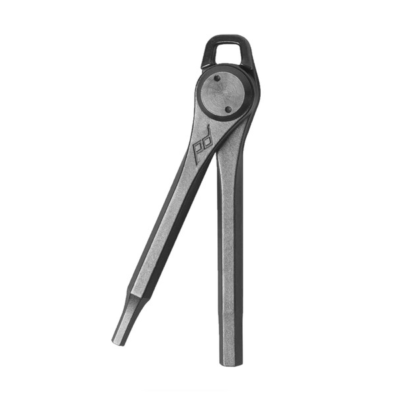 Peak Design Travel Tripod Tool Kit
1 × ₹2,556.00
Peak Design Travel Tripod Tool Kit
1 × ₹2,556.00 -
×
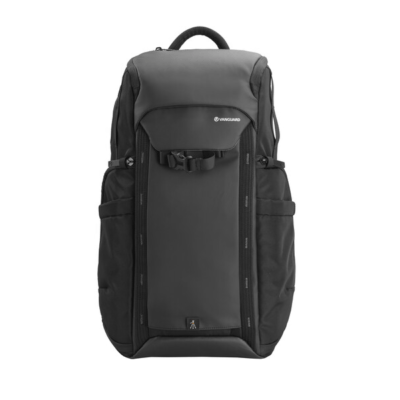 Vanguard VEO Adaptor R48 Camera Backpack (Black)
1 × ₹11,490.00
Vanguard VEO Adaptor R48 Camera Backpack (Black)
1 × ₹11,490.00 -
×
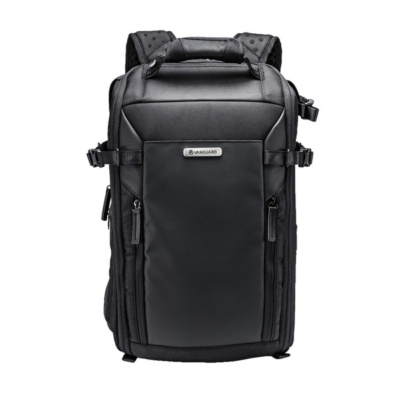 Vanguard VEO Select 45BF Backpack (Black)
1 × ₹9,499.00
Vanguard VEO Select 45BF Backpack (Black)
1 × ₹9,499.00 -
×
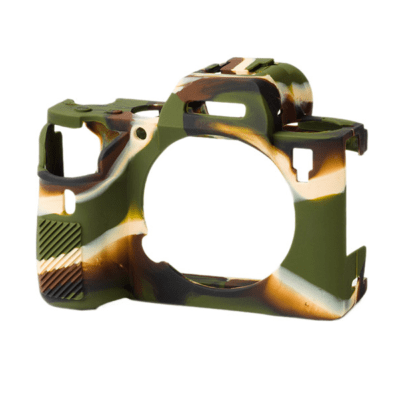 EasyCover for Sony a9, a7III, a7R III Camouflage
1 × ₹1,490.00
EasyCover for Sony a9, a7III, a7R III Camouflage
1 × ₹1,490.00 -
×
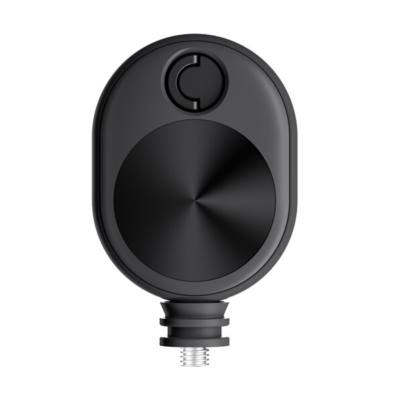 Insta360 Bullet Time Cord for ONE X2/X3
1 × ₹2,600.00
Insta360 Bullet Time Cord for ONE X2/X3
1 × ₹2,600.00 -
×
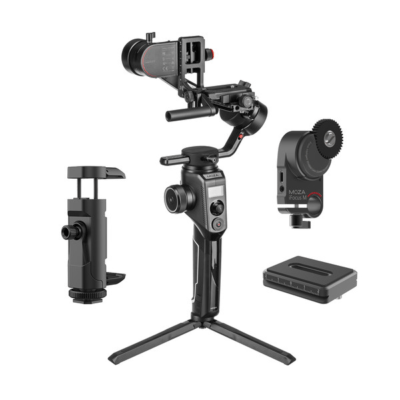 Moza AirCross 2 3-Axis Handheld Gimbal Stabilizer Professional Kit
1 × ₹30,990.00
Moza AirCross 2 3-Axis Handheld Gimbal Stabilizer Professional Kit
1 × ₹30,990.00 -
×
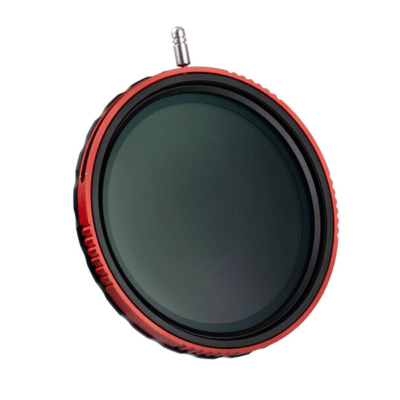 Haida 82mm PROII CPL-VND 2-in-1 Filter
1 × ₹8,500.00
Haida 82mm PROII CPL-VND 2-in-1 Filter
1 × ₹8,500.00 -
×
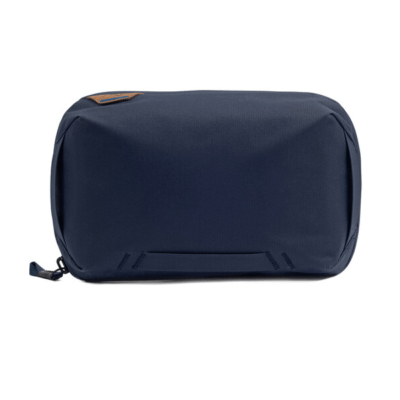 Peak Design Travel Tech 2L Pouch (Midnight)
1 × ₹5,400.00
Peak Design Travel Tech 2L Pouch (Midnight)
1 × ₹5,400.00 -
×
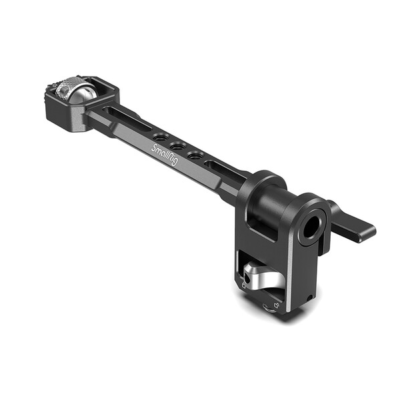 SmallRig Adjustable Monitor Mount for Select Handheld Gimbal Stabilizers 2889
1 × ₹3,199.00
SmallRig Adjustable Monitor Mount for Select Handheld Gimbal Stabilizers 2889
1 × ₹3,199.00 -
×
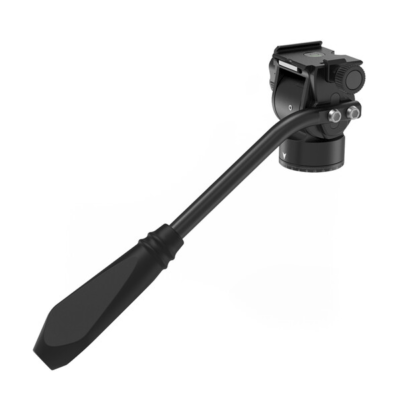 SmallRig CH10 Compact Fluid Head 3259
1 × ₹5,394.00
SmallRig CH10 Compact Fluid Head 3259
1 × ₹5,394.00 -
×
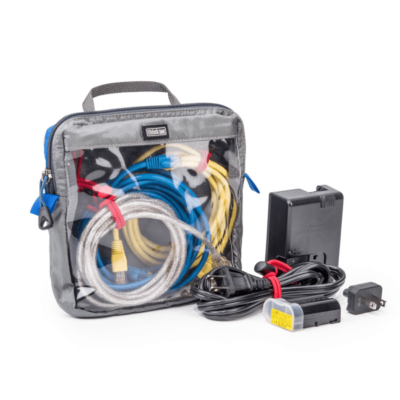 Think Tank Cable Management 20 V2.0
1 × ₹1,499.00
Think Tank Cable Management 20 V2.0
1 × ₹1,499.00 -
×
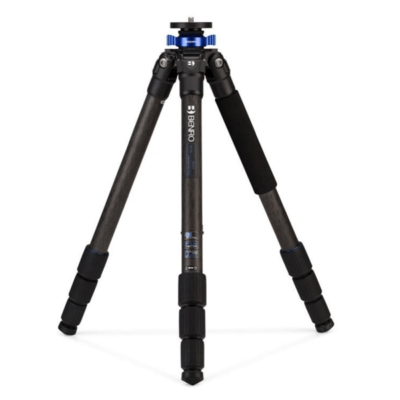 Benro TMA38CL
1 × ₹29,000.00
Benro TMA38CL
1 × ₹29,000.00 -
×
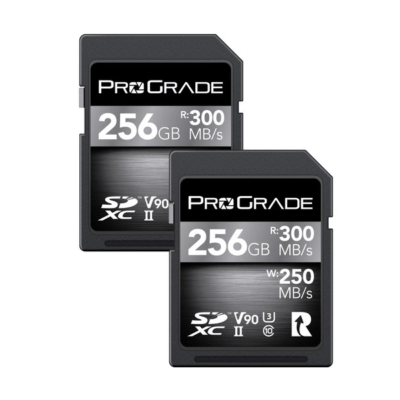 ProGrade Digital 256GB UHS-II SDXC V90 Memory Card (2-Pack)
1 × ₹48,321.00
ProGrade Digital 256GB UHS-II SDXC V90 Memory Card (2-Pack)
1 × ₹48,321.00 -
×
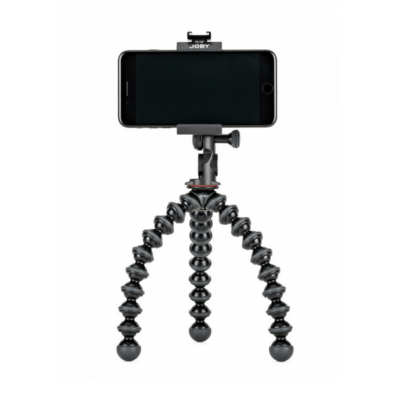 GripTight™ PRO 2 GorillaPod®
1 × ₹6,500.00
GripTight™ PRO 2 GorillaPod®
1 × ₹6,500.00 -
×
 SmallRig 3589 4 x 5.65 ND 1.2 Filter
1 × ₹17,199.00
SmallRig 3589 4 x 5.65 ND 1.2 Filter
1 × ₹17,199.00 -
×
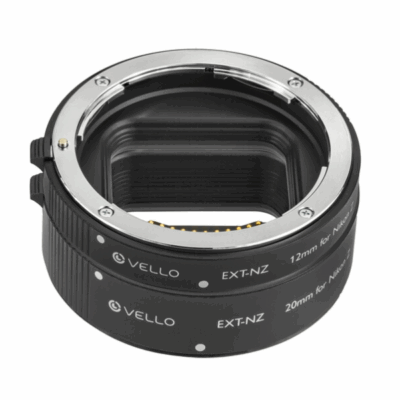 Vello Auto Extension Tubes for Nikon Z-Mount Lenses
1 × ₹12,600.00
Vello Auto Extension Tubes for Nikon Z-Mount Lenses
1 × ₹12,600.00 -
×
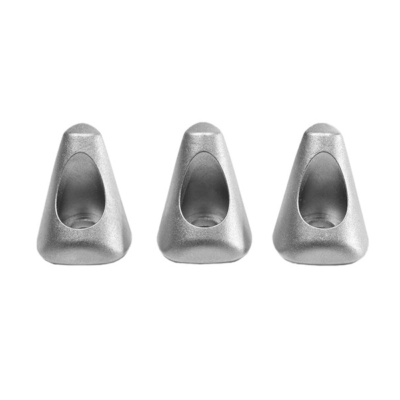 Peak Design Spike Feet Set
1 × ₹3,600.00
Peak Design Spike Feet Set
1 × ₹3,600.00 -
×
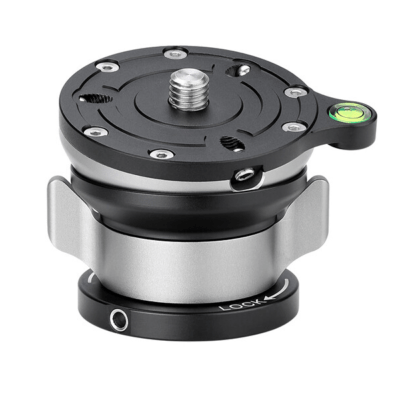 Leofoto LB-65 Leveling Base with Butterfly Handle with 65mm Plate
1 × ₹7,500.00
Leofoto LB-65 Leveling Base with Butterfly Handle with 65mm Plate
1 × ₹7,500.00 -
×
 EVM XQD Memory Card Reader
1 × ₹1,499.00
EVM XQD Memory Card Reader
1 × ₹1,499.00 -
×
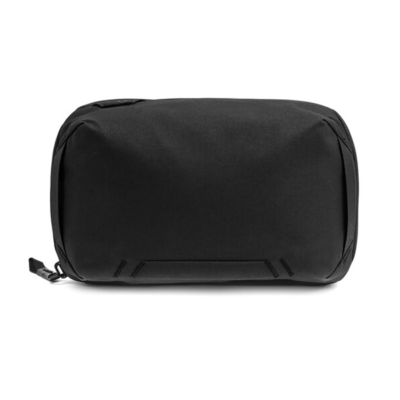 Peak Design Travel Tech 2L Pouch (Black)
1 × ₹5,400.00
Peak Design Travel Tech 2L Pouch (Black)
1 × ₹5,400.00 -
×
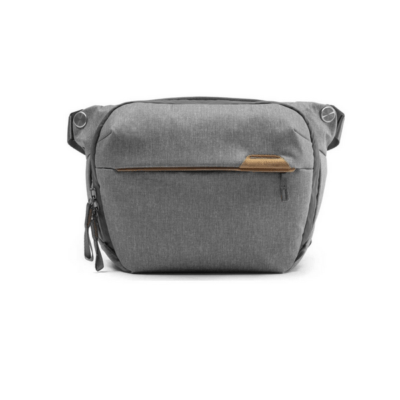 Peak Design Everyday Sling v2 / 6L / Ash
1 × ₹11,300.00
Peak Design Everyday Sling v2 / 6L / Ash
1 × ₹11,300.00 -
×
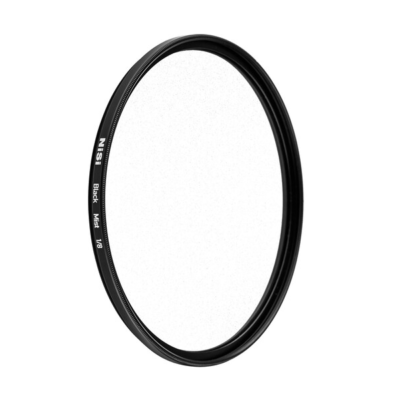 NiSi 82mm Black Mist Filter 1/8
1 × ₹6,499.00
NiSi 82mm Black Mist Filter 1/8
1 × ₹6,499.00 -
×
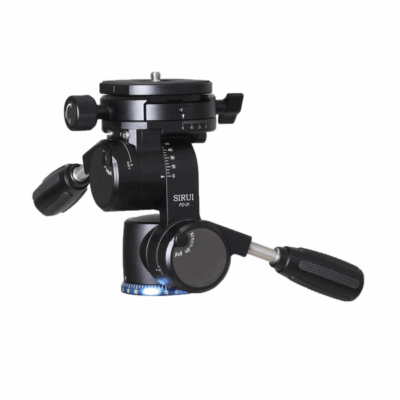 Sirui FD-01 Four-Way Head
1 × ₹17,990.00
Sirui FD-01 Four-Way Head
1 × ₹17,990.00 -
×
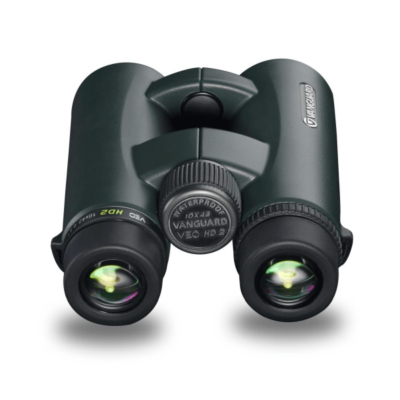 Vanguard VEO HD2 1042 10×42 ED Glass Binoculars
1 × ₹31,187.00
Vanguard VEO HD2 1042 10×42 ED Glass Binoculars
1 × ₹31,187.00 -
×
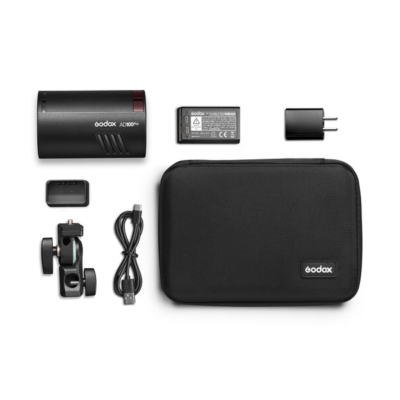 Godox AD100pro Pocket Flash
1 × ₹19,190.00
Godox AD100pro Pocket Flash
1 × ₹19,190.00 -
×
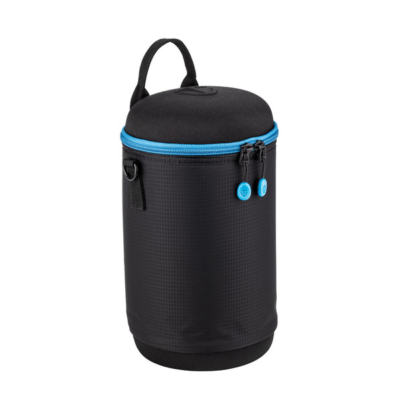 Tenba Tools Lens Capsule 9×4.8 in. (23×12 cm) – Black
1 × ₹2,880.00
Tenba Tools Lens Capsule 9×4.8 in. (23×12 cm) – Black
1 × ₹2,880.00 -
×
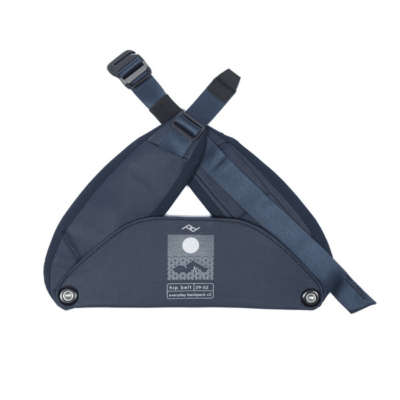 Peak Design Everyday Hip Belt V2 / Midnight
1 × ₹2,520.00
Peak Design Everyday Hip Belt V2 / Midnight
1 × ₹2,520.00 -
×
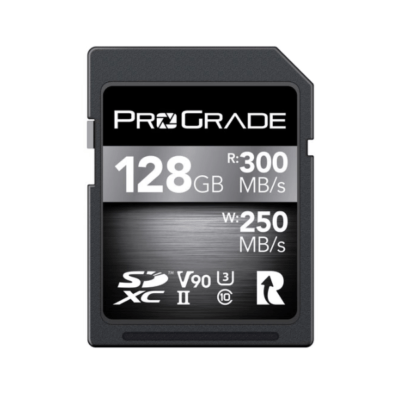 ProGrade Digital 128GB UHS-II SDXC V90 Memory Card
1 × ₹20,490.00
ProGrade Digital 128GB UHS-II SDXC V90 Memory Card
1 × ₹20,490.00 -
×
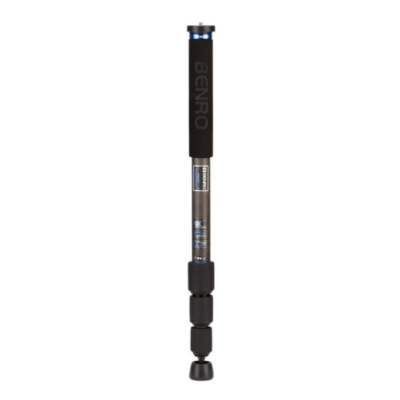 Benro MMA28C MACH3 Series 2 Carbon Fiber Monopod
1 × ₹6,990.00
Benro MMA28C MACH3 Series 2 Carbon Fiber Monopod
1 × ₹6,990.00 -
×
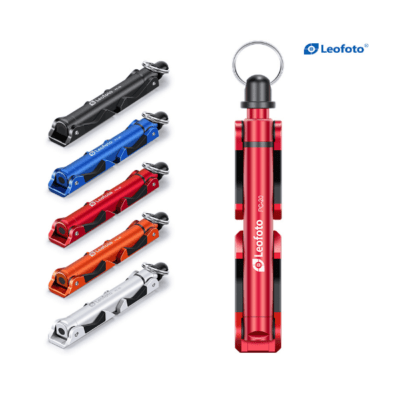 Leofoto Mobile Phone Holder-PC-20
1 × ₹1,599.00
Leofoto Mobile Phone Holder-PC-20
1 × ₹1,599.00 -
×
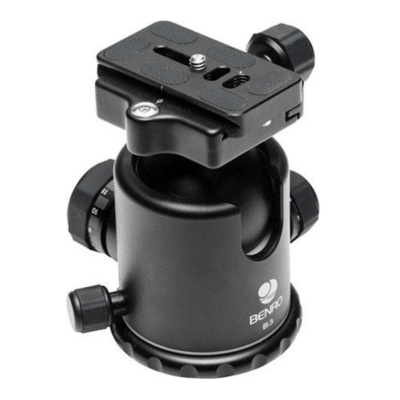 Benro B3 Ball Head
1 × ₹12,490.00
Benro B3 Ball Head
1 × ₹12,490.00 -
×
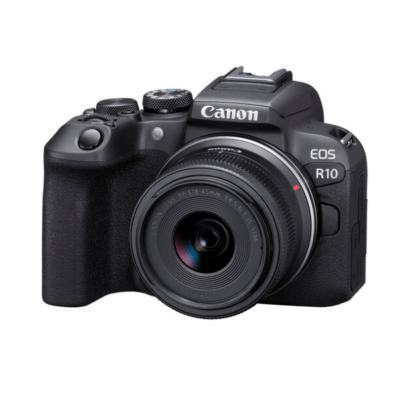 Canon EOS R10 Mirrorless Camera with 18-45mm Lens
1 × ₹81,990.00
Canon EOS R10 Mirrorless Camera with 18-45mm Lens
1 × ₹81,990.00
Subtotal: ₹1,495,098.00















































There are no reviews yet.